

Begonias: Fun Facts and Care Guide
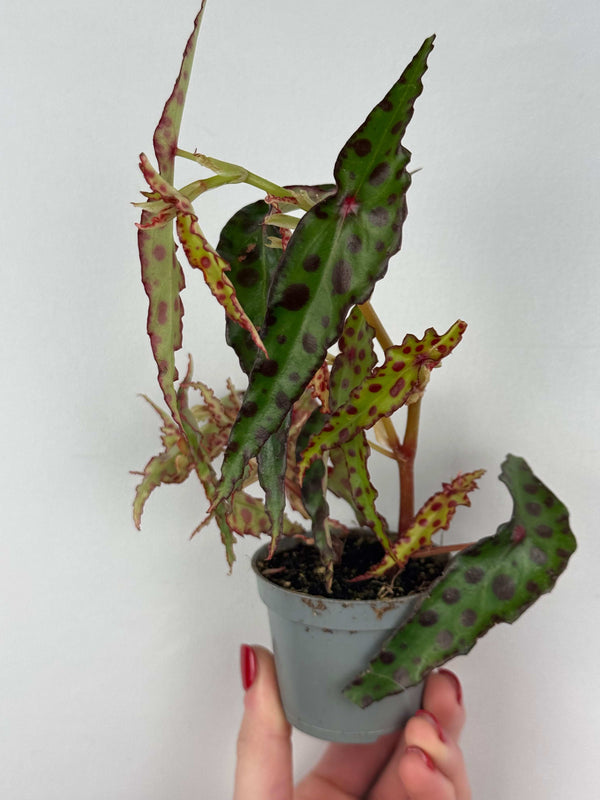
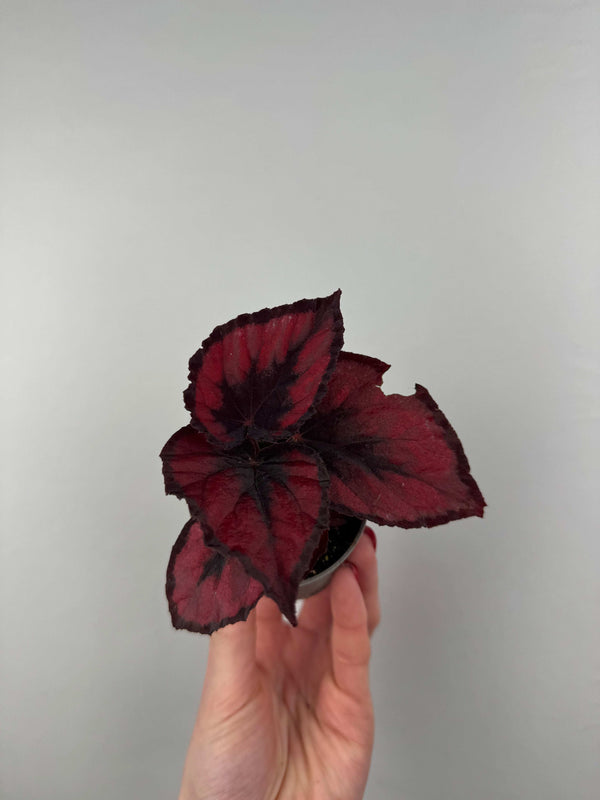
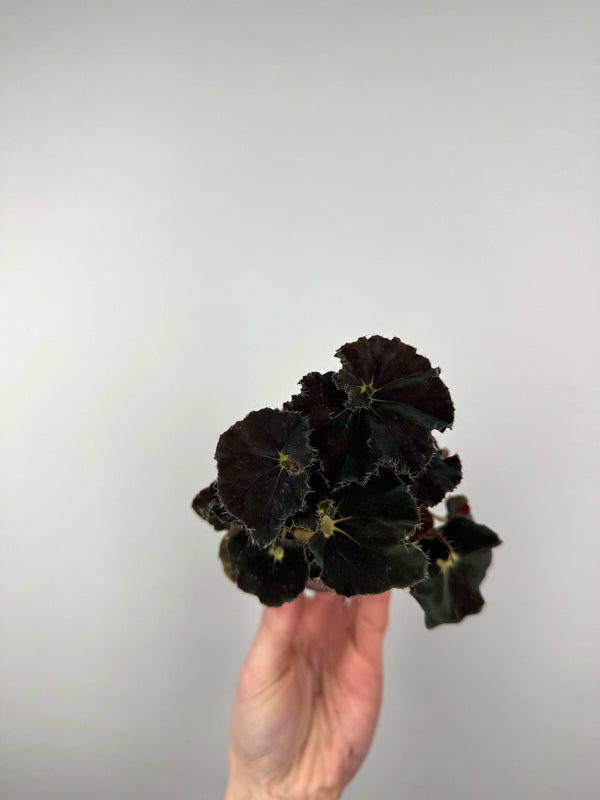
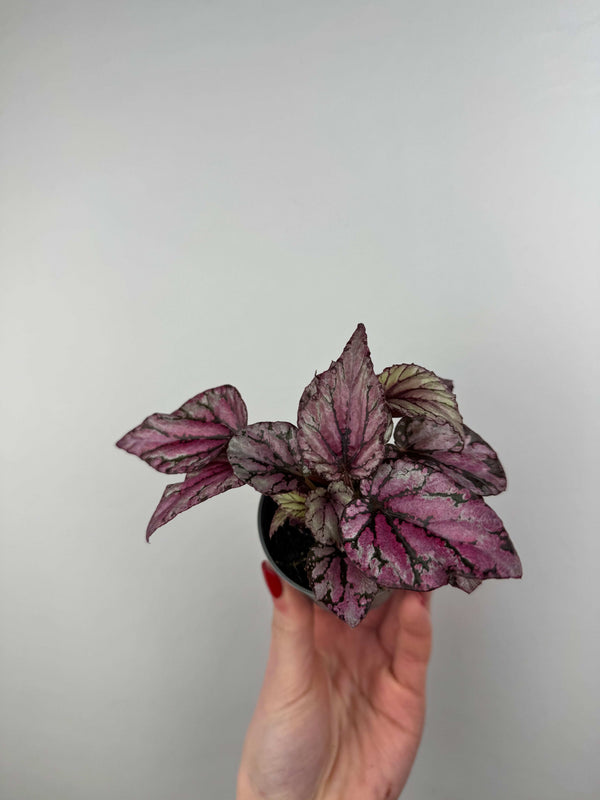
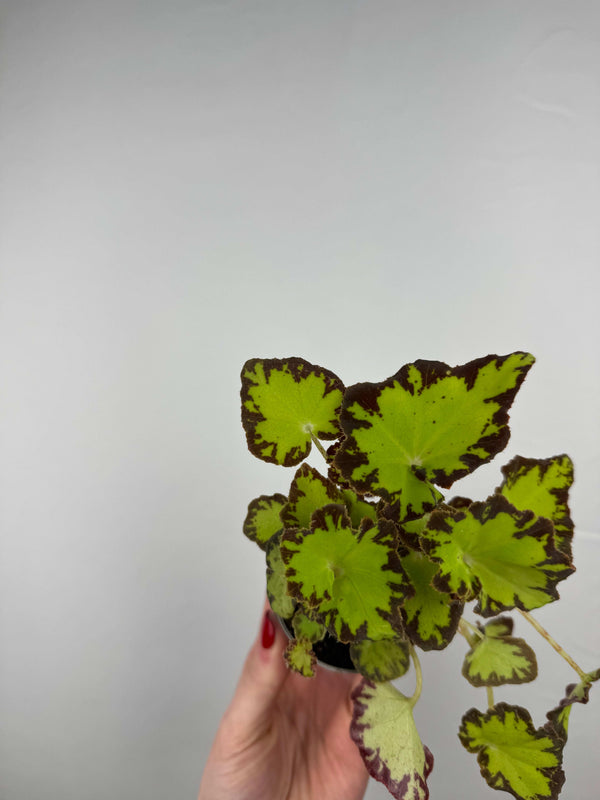
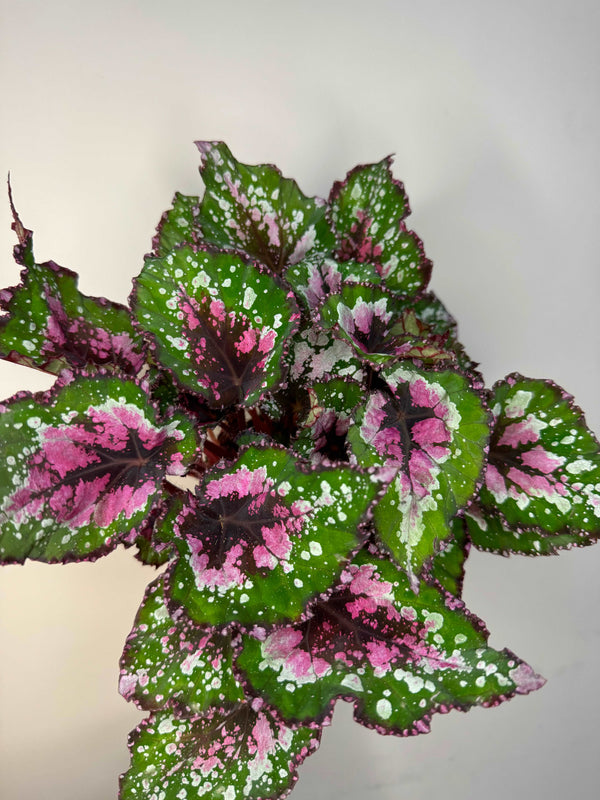
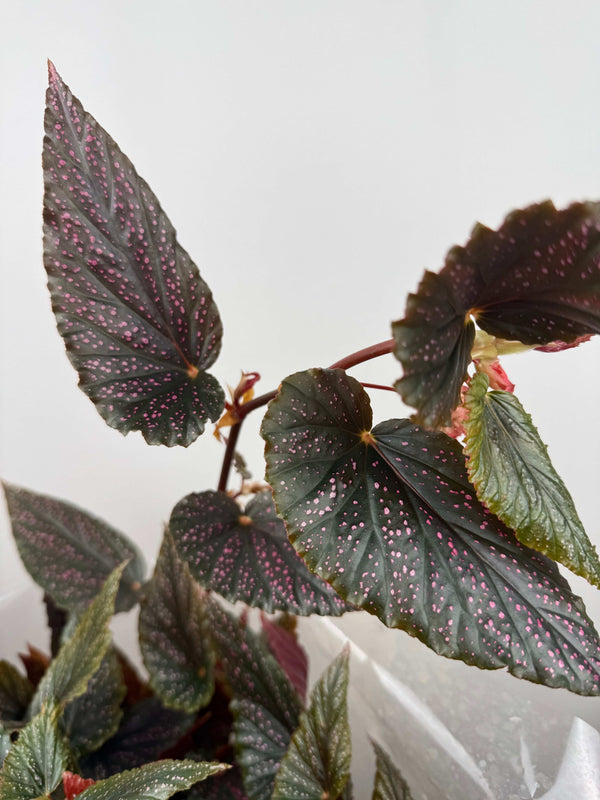
Begonias have always been among the most beloved plants, thanks to the beauty of their foliage and the great variety of shapes and colors.
Origins and spread
Begonias are native to the tropical and subtropical regions of America, Africa, and Asia.
Their introduction to Europe and other parts of the world has led to the production and selection of numerous varieties, transforming them into true protagonists of the indoor plant world.
Begonias are loved not only for their beauty but also for their ease of care and resilience.
These are some important characteristics, common to the species, to keep an eye on.
Watering
Begonias are plants that love to drink and stay consistently moist (always being careful to avoid waterlogging). They do not like to remain dry for too long: their foliage will completely droop, desperately asking for water.
Light
Begonias prefer bright, indirect light. Direct sun could damage their leaves.
Humidity
Begonias love high humidity, which can be achieved through the use of a humidifier or by sheltering them in a small greenhouse. This is not essential for many species, where an adequate substrate is sufficient. However, for other species, additional "protection" is needed to create higher humidity (such as for Begonia Amphioxus).
Substrate
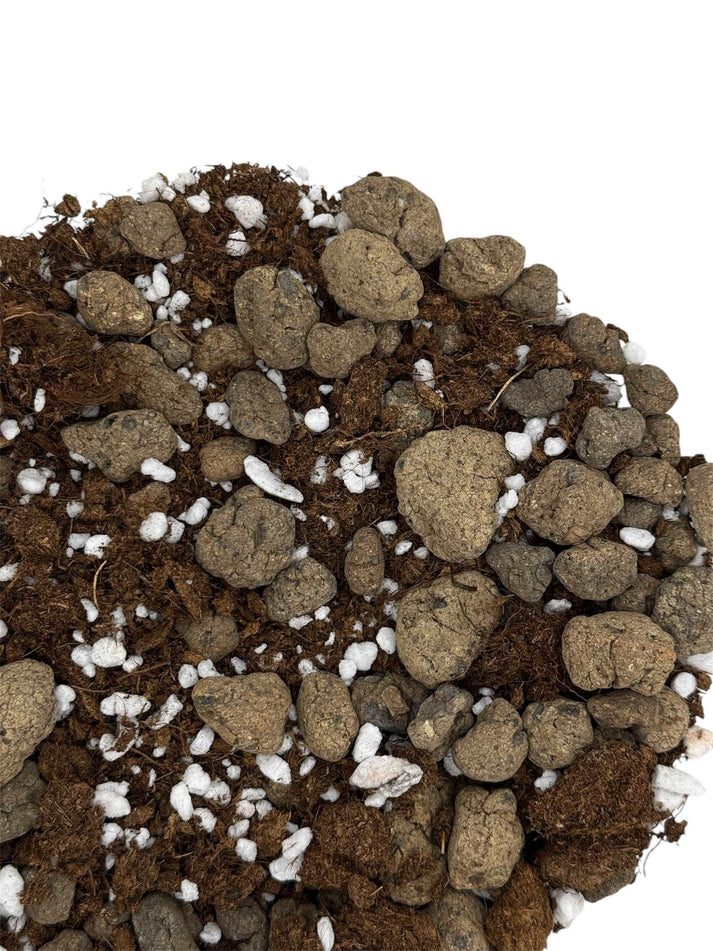
Choosing the right substrate for Begonias is crucial. This is because their need for high humidity, combined with the necessity to avoid the risk of root rot, is not easy to manage. My advice is to use the Begoniaceae mix, specially designed for Begonias and their needs.
Begonia Resilience
Begonias are fairly strong plants and, most importantly, they are forgiving.
This means that when left dry for longer (a condition they absolutely do not like, we remind you), they will completely drop their entire foliage.
Much like "dramatic" Fittonias, this is an alarm: they need water immediately.
But then, have we lost them? Is it too late?
Fortunately, no! They are quite tolerant and forgive some neglect in watering. But it is necessary to act immediately, avoiding prolonging their suffering any further.
Begonia Curiosities
Begonias are also plants rich in history and curiosities, let's look at the most interesting ones!
The Begonia genus was first described in 1690 by the French botanist Charles Plumier. He chose this name in honor of Michel Bégon, governor and great botany enthusiast. Bégon never directly encountered these plants but was a great supporter of botanical explorations. Today, this plant genus contains almost 2,000 different species.
Some Begonia species are used in traditional medicine to treat various ailments.
Among Begonias, there are several species with edible leaves or flowers. In Italy, but especially in Asia and South America, they are used to create beverages, salads, and desserts. This also happens with "Pansies": you've certainly seen them in a dish served at a restaurant!