

Hibiscus rosa-sinensis 'Variegata': a tropical beauty par excellence
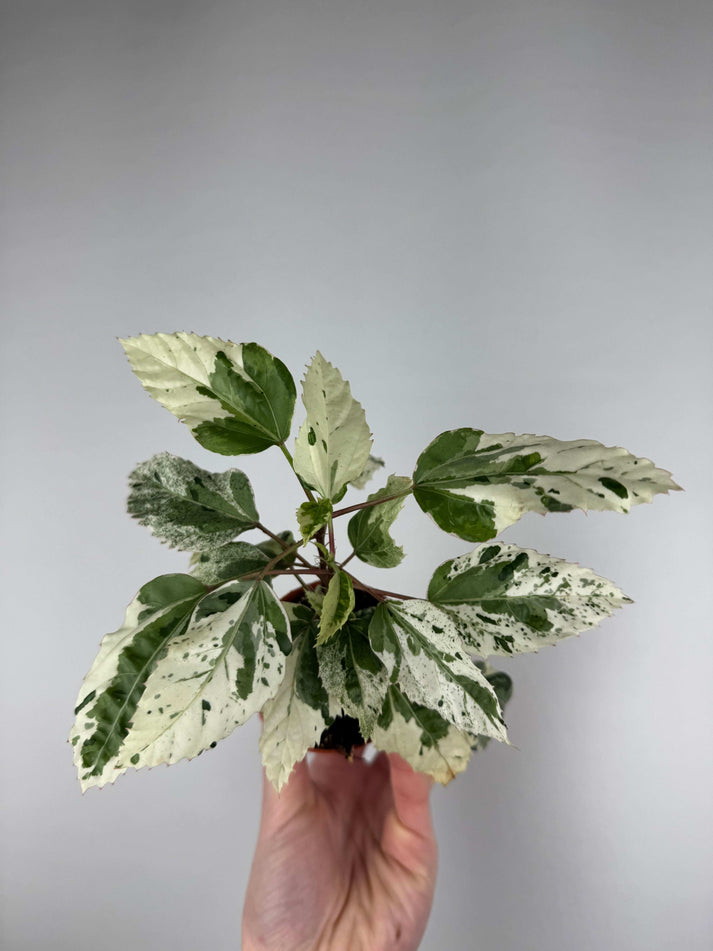
The Hibiscus rosa-sinensis "variegata" is a super tropical beauty. An evergreen, but in an even more beautiful version thanks to the marbled variegation of its leaves.
Characteristics of Hibiscus rosa-sinensis "variegata"
Hibiscus rosa-sinensis is native to tropical Asia and belongs to the Malvaceae family. The variegated variety is distinguished by:
- Decorative leaves: the deeply accentuated white variegation makes each leaf unique. A play of colors that brightens up any green space.
- Showy flowers: produces large, five-petaled flowers, in a vibrant and vivid red/fuchsia hue.
Exposure
It loves intense light, even direct light during less intense heat hours. In summer, it is best to protect it from the scorching sun in the middle of the day.
Substrate
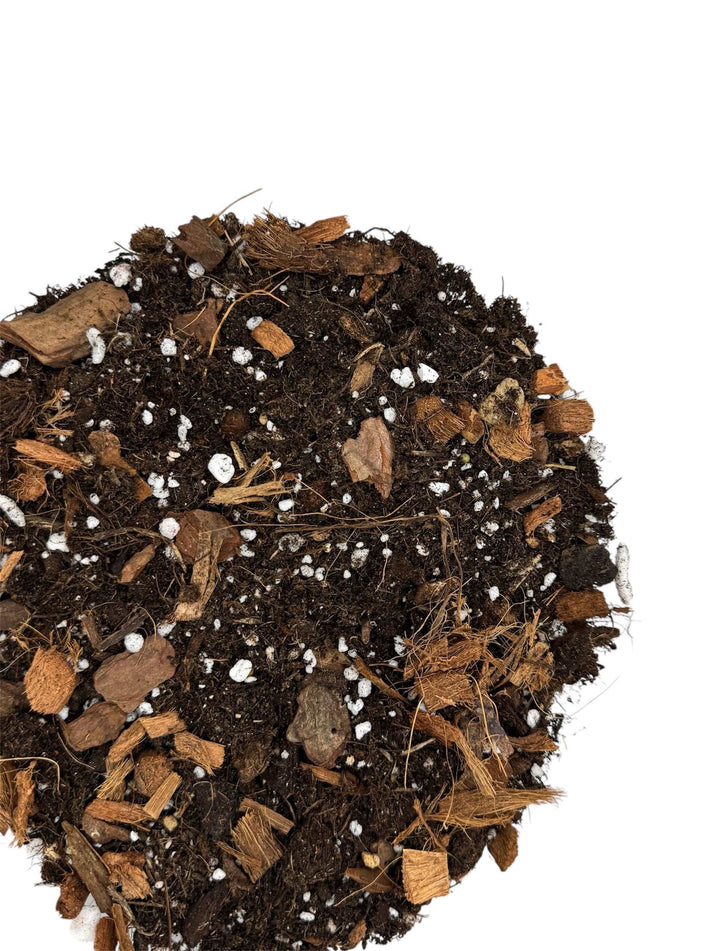
It prefers a rich but well-draining substrate. The ideal is the Tropical mix: light due to the presence of inert materials, but rich due to the presence of potting soil.
Watering
Hibiscus is a particularly thirsty plant (a behavior that increases with the amount of light it receives). The substrate should therefore always be kept moist, always paying attention to water stagnation. Especially in summer, it should be monitored frequently, avoiding leaving it dry for too long.
Fertilizer
With the arrival of spring, it is important to start feeding the Hibiscus using a balanced fertilizer, or one specific for flowering plants.
Pruning
Light pruning at the end of the winter season helps stimulate branching and flowering. Dry branches or excessively long branches can be removed.
Temperature
We've talked about "tropical beauty par excellence", this also means that Hibiscus loves warmth, and its ideal temperatures are between 20°C and 30°C.
Hibiscus, in pots or in the garden?
Hibiscus rosa-sinensis can be grown in pots, so that it can be easily sheltered during the cold months, or directly in the ground if it is an area with a mild climate. Hibiscus fears frost: temperatures below 10°C can cause damage!