

Complete Guide to Plant Substrates: Types, Uses and Advice
So many substrates, so many inert materials, so much chaos... Let's clarify the many possibilities for creating a suitable substrate for our plants, trying to understand the key elements and why.
What is a substrate and why is it important?
Substrates for potted plants must be created to offer roots everything they need (nutrients, aeration, ability to drain excess water). Without the right substrate, even the strongest plants can suffer from root rot, slow and stunted growth.
Below, we will understand which substrate to use based on the plant type and its specific needs, avoiding common mistakes that can be more significant than you might think.
Main characteristics of an ideal substrate
To choose the right substrate, it's essential to understand its main characteristics that determine its quality and perfect response to plant needs.
Drainage
A good substrate is capable of eliminating excess water. Conversely, when an incorrect substrate retains too much water, this leads to root rot (as well as potential proliferation of fungi and bacteria). To improve drainage, inert materials such as perlite, pumice, or clay are added.
Aeration
Plant roots need oxygen, and an excessively compact substrate prevents proper air circulation, suffocating the roots.
Water Retention
The importance of drainage must be balanced with the ability to retain the right amount of moisture and water. The use of coir fiber or vermiculite promotes the water retention process without compromising drainage.
Nutrients
Some substrates are already complete and enriched with nutrients, while others are inert and require periodic fertilization. It is therefore essential to keep this detail in mind to proceed with fertilizing and avoid nutrient deficiency.
The most commonly used inert materials and their functions
Perlite
An inert, extremely lightweight material, whose main role is to improve aeration, making the substrate lighter. It tends to deteriorate over time, especially if handled continuously. It is also useful for retaining small amounts of water, though less than vermiculite or pumice.
Pumice
The porous and light structure of pumice, though slightly heavier than perlite, allows for aeration and drainage. It retains more moisture than perlite.
Expanded clay
Clay balls have a porous and irregular surface. They have excellent drainage capabilities and, at the same time, retain the right amount of moisture.
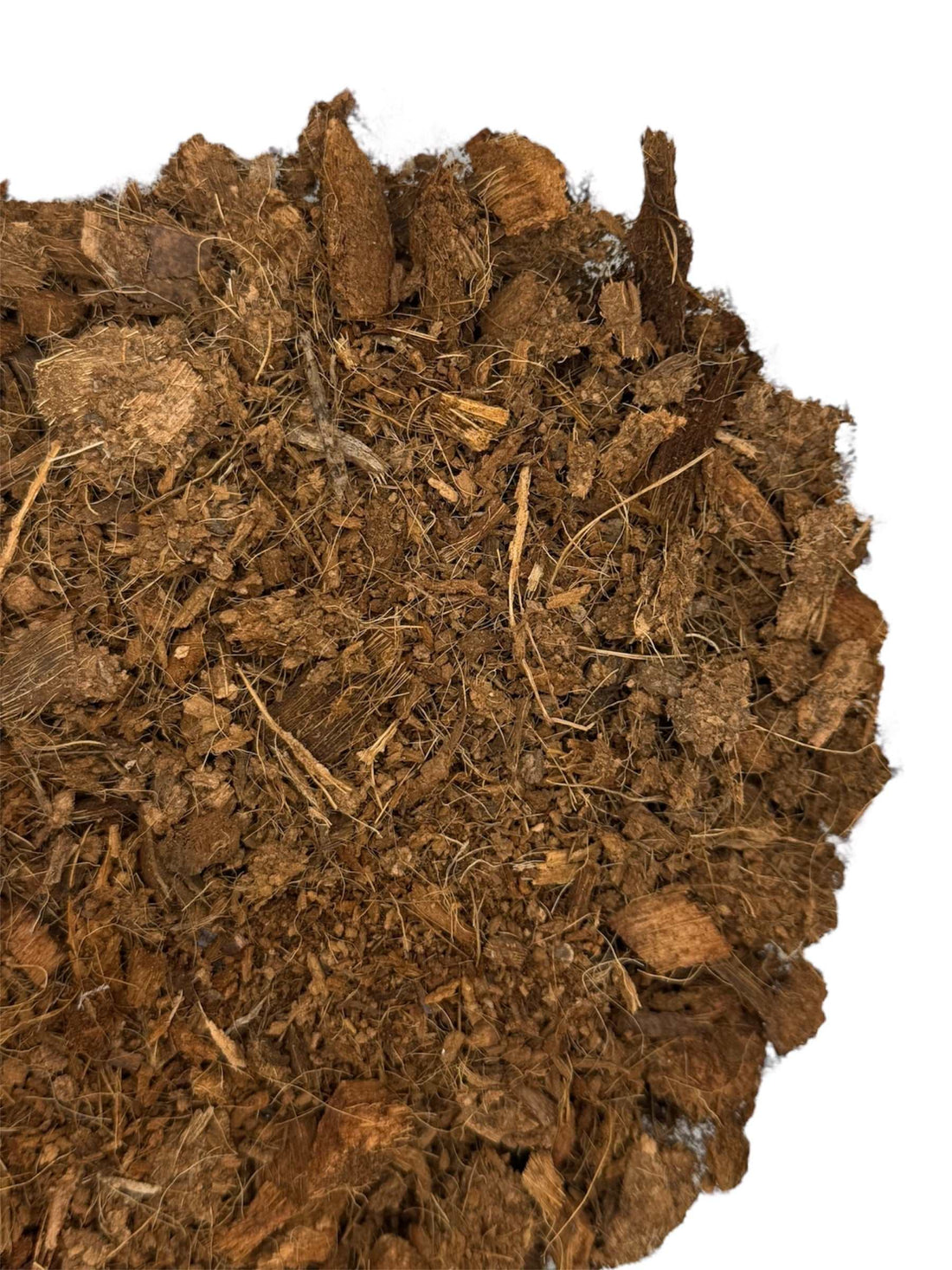
Coco chips
It is an ecological alternative to peat and offers water retention and aeration.
Bark
Promotes aeration and prevents the substrate from compacting.
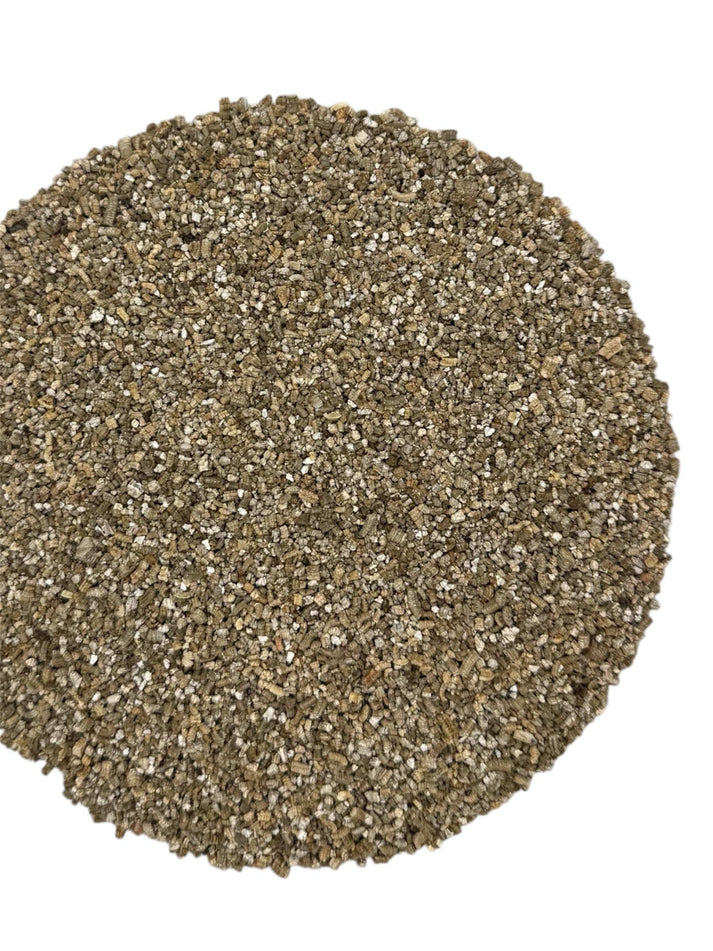
Vermiculite
It has a greater water retention capacity than, for example, perlite. It creates a favorable microclimate for germination, increases the exchange capacity of nutrients, and reduces the frequency of pathogenic attacks on roots.




Creating the ideal substrate: some of our recommended mixes
1 Aroid mix
For: Philodendron, variegated Monstera, Epipremnum, Scindapsus, Syngonium, Aglaonema
Substrate: Bark, coco chips and perlite
Characteristics: They need a substrate that ensures good drainage and aeration, as their roots are particularly sensitive to waterlogging. Pine bark helps keep the substrate airy and prevents compaction, while coco chips contribute to water retention without excess. Perlite, finally, reduces the overall weight of the substrate and promotes drainage, being very light.
2 Tropical mix
For: tropical plants such as Ficus, Zamioculcas, Monstera, Dieffenbachia
*It can be an alternative to Aroid mix, especially for stronger and more resistant plants (since it contains potting soil, it should be used with caution!)
Substrate: Good quality potting soil, coco chips, perlite and bark
Characteristics: Tropical plants prefer a substrate that retains moisture but, at the same time, allows air to circulate easily. Starting with a good universal potting soil, the addition of coco chips increases water retention capacity, while perlite improves drainage.
3 Anthurium mix
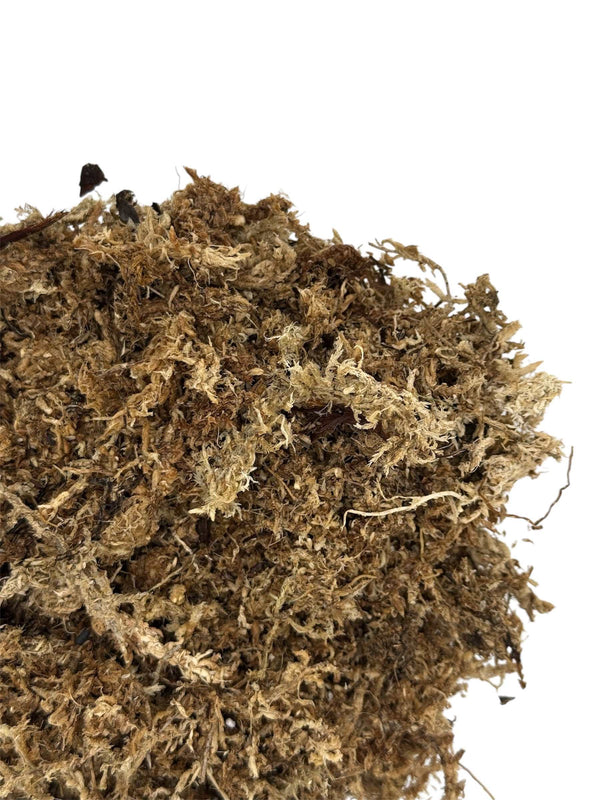
Substrate: Coco chips, perlite, bark and sphagnum moss
Characteristics: Anthuriums prefer a light and airy substrate, but capable of providing constant humidity around the roots. The combination of coco chips and pine bark ensures a good balance between aeration and water retention. Sphagnum moss is useful for maintaining constant humidity within the substrate and providing the ideal environment, much loved by Anthurium roots!
4 Calathea & Maranta mix
For: Calathea, Maranta, Stromanthe
Substrate: Coco chips, fine coco fraction, vermiculite and perlite
Characteristics: Marantaceae have sensitive roots and prefer a substrate that is well-drained but retains a good amount of moisture, as they are moisture lovers. Vermiculite and coco chips are excellent for balancing water retention with drainage, while pine bark and perlite allow for excellent aeration.
5 Alocasia mix
Substrate: Sphagnum moss, coco chips, perlite
Characteristics: Alocasias love a substrate that remains moist but not soggy, being extremely sensitive to root rot. Sphagnum moss is ideal for maintaining constant humidity around the roots. Perlite helps prevent waterlogging, providing aeration.
6 Begoniaceae mix
Substrate: Fine coco fraction, perlite and expanded clay
Characteristics: Begonias love humidity and, especially during warmer periods, need to be watered often. So the ideal is a substrate with good water retention capacity. The fine coco fraction provides warmth and humidity, while perlite and expanded clay (which contributes to moisture retention) add lightness and oxygenation to the substrate.
7 Mix for Cacti and succulents
Substrate: Pumice, volcanic lapilli and river sand
Characteristics: Cacti and succulents require an extremely well-draining substrate. Pumice and volcanic lapilli help create excellent water runoff, while coarse sand promotes a granular structure that allows roots to expand without waterlogging. Being able to store water, they require a very light substrate that does not retain water and humidity.

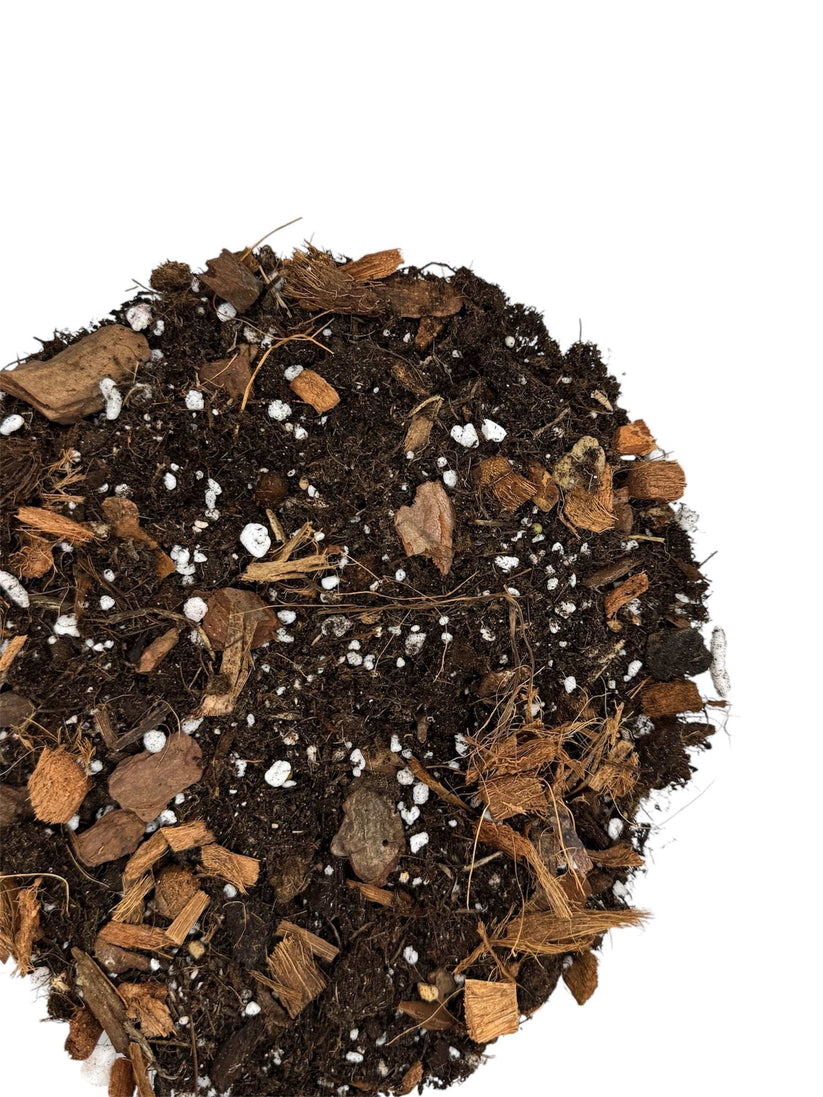
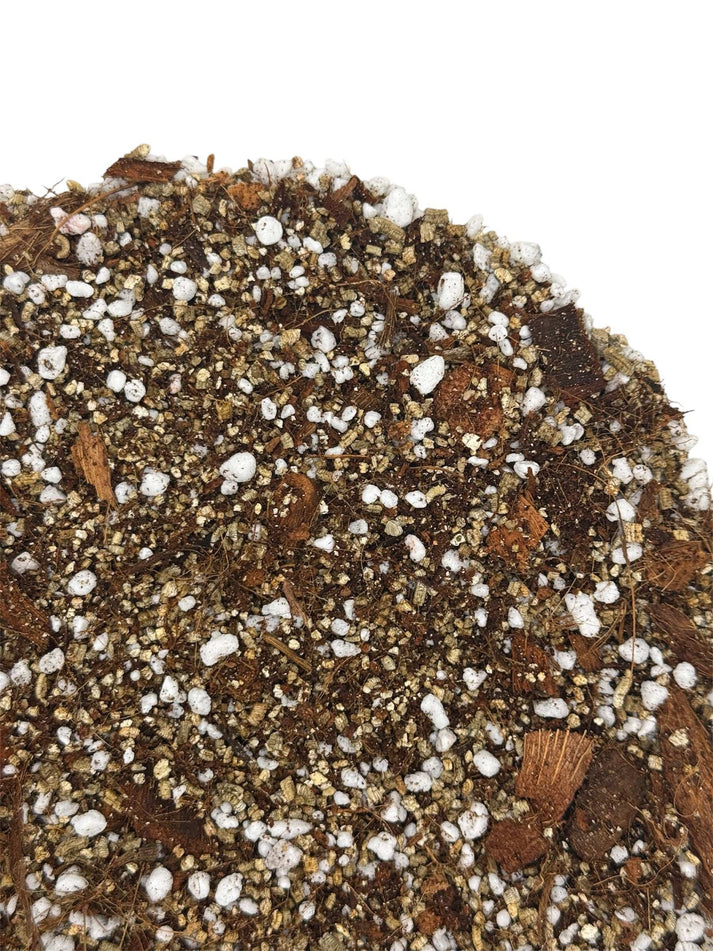
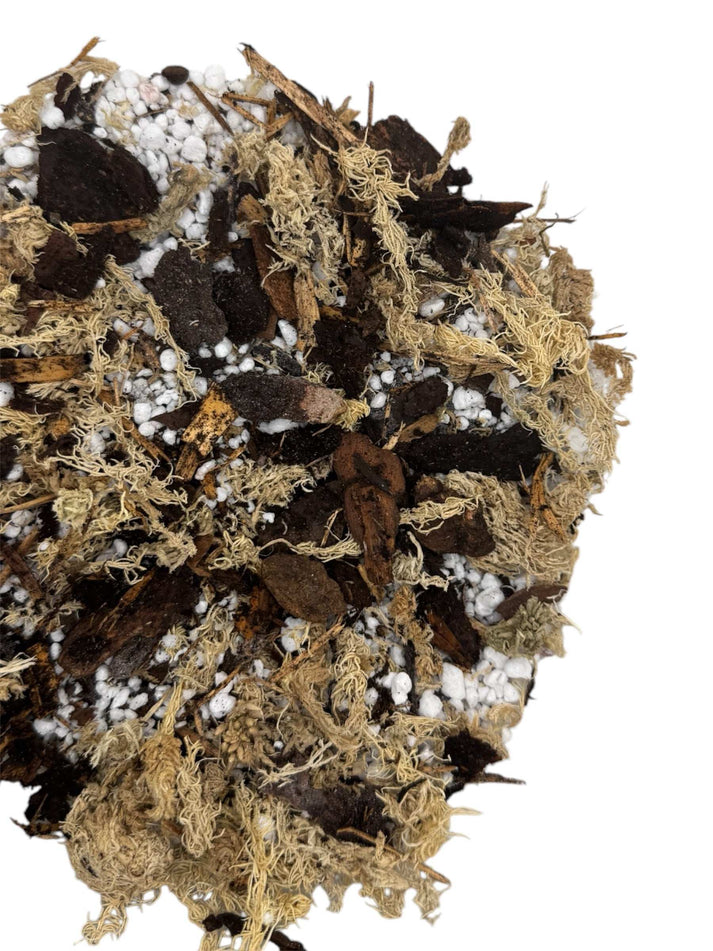


Once you understand the functions of each, it's absolutely possible to vary some of the inert materials, based on their characteristics and needs. There are no standard or fixed mixes; on the contrary, they can and should vary! In addition to fine-tuning according to plant needs, it's also important to consider different environmental conditions.